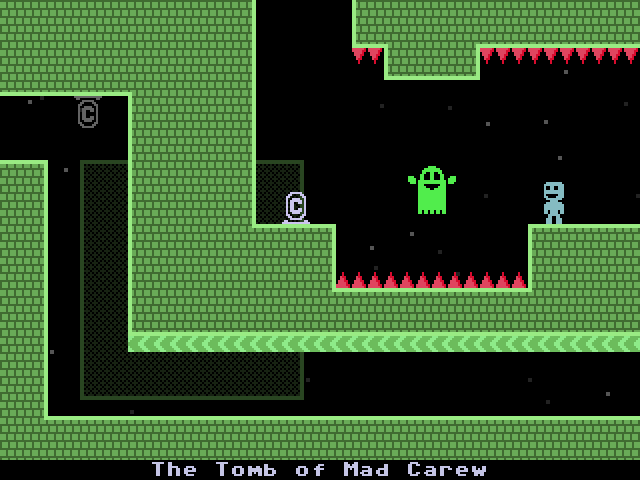
VVVVVV replaces a conventional jump with a gravity flip. For a first run, read the route to the next safe surface, make one attempt, and change one decision after a failure. The frequent checkpoints described by the developer make this a useful game for short, focused practice.
Your job as Captain Viridian is to find the separated crew. The official description emphasizes challenges built around a simple movement idea, without collecting power-ups to open the next route. A difficult room is therefore a reason to examine the movement problem before looking for an upgrade.
1. Identify the next landing surface
Before moving, look at the surface you intend to reach and the hazards between you and it. Think through the change in gravity rather than importing the timing of a platform game with an ordinary jump. Read the controls shown in your version; this guide does not assume a particular keyboard binding.
I would practice the opening movement of a room until I could explain why it worked. I would move on sooner if repeated attempts were becoming rushed. A short break is more useful than adding another ten attempts with no change in approach.
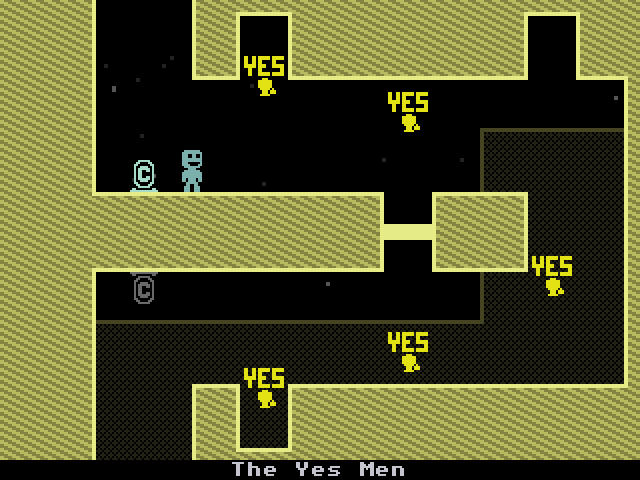
2. Change one thing between attempts
| What happened? | Next experiment | What to observe |
|---|---|---|
| You met a hazard early | Reconsider the starting position | Whether the route begins with enough clearance |
| You reached the right area but missed the surface | Adjust horizontal movement | Whether you arrive over the intended space |
| A moving obstacle crossed the route | Watch a cycle before starting | The gap available for your movement |
| You repeat different mistakes each time | Reduce the attempt to the first movement | Whether that section becomes predictable |
| You understand the route but feel rushed | Take a break and return | Whether you can describe the plan before acting |
These are suggested experiments, not fixed solutions to named rooms. The point is to know which change you are testing. Changing your start, direction and timing together makes it difficult to identify what helped.
3. Let checkpoints define a small practice task
- Notice where the current attempt begins.
- Choose the next manageable stretch to understand.
- Make an attempt with one specific movement plan.
- After failure, identify the first thing that departed from the plan.
- Change that decision and try again when ready.
Do not turn the death count into a verdict on your ability. The useful result is learning how the route behaves. At the same time, repeated failure without a new observation is a good reason to stop and examine the room more slowly.
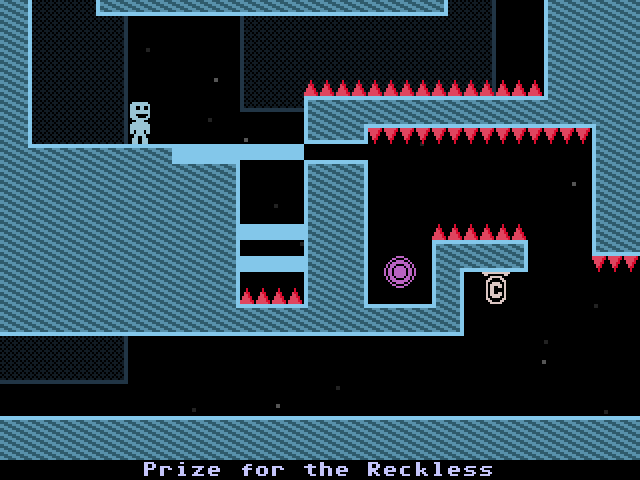
4. Keep optional goals separate from finishing a route
The game includes additional modes such as time trials and a no-death mode. Those are different goals from learning the main game. Decide what today’s session is for before comparing your performance with a speedrun or a specialized challenge.
For an invented practice session, you might spend five minutes understanding one room and end by writing a single reminder: “Watch the obstacle first; then choose the starting position.” This example is a planning suggestion, not a claimed completion time or a guarantee that the room will take five minutes.
When to finish the session
Stop after a useful observation, not only after a successful attempt. Note the room and the movement you want to revisit. On the next session, test that note against the game rather than assuming you remember the whole sequence.
Check the current official store listing for platform and language support before buying. Custom levels and challenge modes can impose different demands; the checkpoint advice here concerns learning the standard game and is not a promise about every community-made level.
Sources and related reading
Official developer/publisher store listing and screenshots. Game facts checked October 27, 2026. Practical note-taking and practice suggestions above are editorial recommendations.
Related: Marching Order Beginner Guide: Solve Animal Band Logic Puzzles.
Screenshot source: official press materials or licensed image record.
Images by Terry Cavanagh - http://thelettervsixtim.es/, CC BY-SA 3.0, unmodified.
Terry Cavanagh - http://thelettervsixtim.es/ — unmodified screenshots, CC BY-SA 3.0.


No comments:
Post a Comment